
English 
T: +86-17717097520
E: sales1@melko2015.com
E: sales1@melko2015.com
No.222 Xiangche Rd. Chedun Town Songjiang Dist. Shanghai China 201611


Views: 0 Author: Site Editor Publish Time: 2026-07-13 Origin: Site


A failing housing puts entire plumbing setups at risk. Leaks cause expensive water damage. Dropped system pressure disrupts daily operations. Substandard plastics introduce chemical leaching into drinking supplies. You need highly reliable components. Polyethylene Terephthalate (PET) solves many common material issues. It offers excellent structural integrity. Unlike standard polypropylene (PP), PET provides clear transparency. You can visually monitor internal filter conditions instantly. While stainless steel costs a premium, PET maintains robust durability at a lower price point. It balances strength, clarity, and safety perfectly. Selecting the right unit ensures seamless daily performance. This guide helps you navigate the selection process. We provide a technical, vendor-neutral framework. Use it to evaluate a PET filter casing purifier for your point-of-use (POU) or point-of-entry (POE) applications. Our criteria empower buyers to make confident, informed decisions.
Polyethylene Terephthalate stands out among filtration plastics. Manufacturers engineer PET to handle rigorous fluid dynamics. Standard plastics often struggle under continuous hydrostatic stress. PET resists these fatigue cycles exceptionally well. This material withstands severe water hammer effects. Plumbers define water hammer as sudden pressure spikes caused by closing valves. Inferior materials easily crack under these rapid shocks.
PET also delivers unparalleled transparency. Other transparent plastics like Styrene Acrylonitrile (SAN) exist. However, SAN lacks structural flexibility. It shatters easily upon impact. PET combines the clarity of glass and the resilience of advanced polymers. This specific combination makes it ideal for fluid containment. We see fewer micro-fractures over time compared to older acrylic models. The material remains highly stable across varied temperature ranges. It handles cold municipal water safely.
Understanding these properties helps you verify product quality. Some vendors label standard plastics as high-strength. True PET clearly outperforms standard polypropylene in burst tests. Industry testing often pushes these units past 300 PSI to ensure safety margins. Always look for specified burst pressure ratings before purchasing.
| Material Type | Transparency Level | Impact Resistance | Burst Pressure Capacity |
|---|---|---|---|
| PET (Polyethylene Terephthalate) | High (Clear) | Excellent | Very High |
| PP (Polypropylene) | Opaque | Good | Moderate |
| SAN (Styrene Acrylonitrile) | High (Clear) | Poor (Brittle) | Low |
| Stainless Steel | Zero (Solid) | Maximum | Extreme |
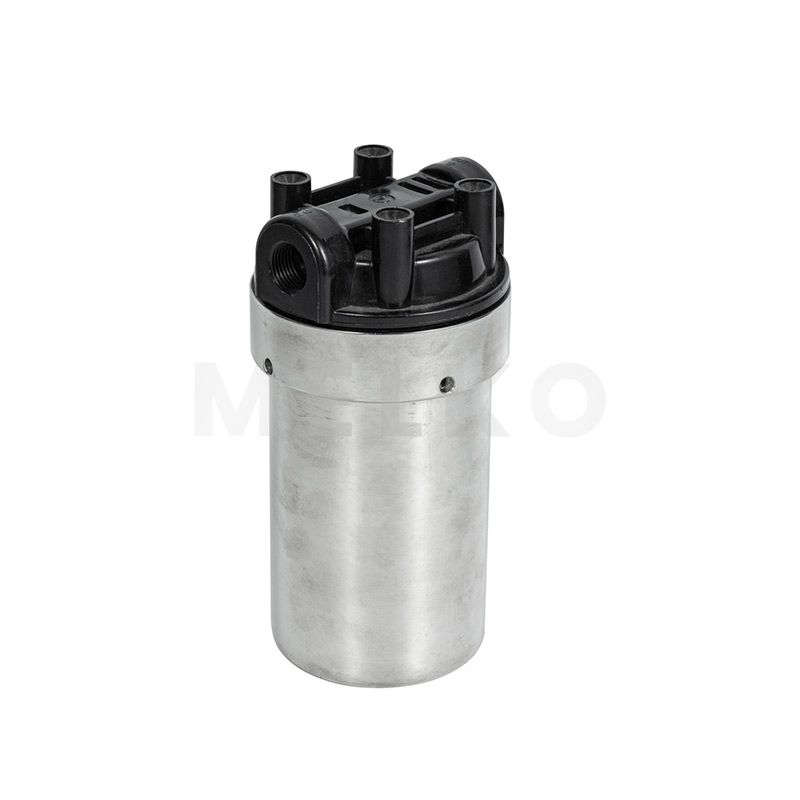
Filtration demands scale drastically based on application scope. Residential users typically need point-of-use (POU) systems. POU systems sit under sinks or near specific appliances. These environments demand compact designs. Space constraints dictate the physical footprint. Under-sink models usually accommodate 10-inch standard cartridges. Flow rates remain relatively low. A typical kitchen faucet requires about 1.5 to 2.0 gallons per minute (GPM).
Commercial applications involve completely different operational parameters. Restaurants, cafes, and light industrial facilities rely on point-of-entry (POE) systems. These units process water for entire buildings. They handle continuous, heavy-duty usage.
Knowing your environment prevents disastrous misapplications. Installing a lightweight residential unit in a commercial kitchen leads to imminent failure. Always match the structural rating to your worst-case plumbing scenario.
Matching physical dimensions guarantees proper system integration. You must align the cap's inlet and outlet ports accurately. The industry primarily uses National Pipe Thread (NPT) standards in North America. Europe often utilizes British Standard Pipe (BSP) threads. Mixing thread types guarantees massive leaks. Check your existing plumbing connections first.
Port sizing directly dictates water volume capabilities. A restricted port creates annoying pressure drops. Users complain about weak shower streams. Equipment malfunctions due to water starvation. You must choose the right purifier filter housing based on your peak demand.
Calculate your required Gallons Per Minute (GPM). Add the flow requirements of all simultaneously operating fixtures. If your house runs two showers and a dishwasher concurrently, you need at least 8 to 10 GPM. Select a cap size accommodating this flow. Do not choke your system using undersized ports.
Even the strongest polymer body fails if seals degrade. O-rings create the watertight barrier between the cap and the sump. This critical junction experiences constant stress. Manufacturers use varying elastomer materials for these seals. Buna-N (Nitrile) serves as the standard choice. It handles normal water temperatures perfectly. EPDM offers better chemical resistance. You might need EPDM if treating heavily chlorinated municipal water.
Seal designs vary among brands. Single O-ring designs seat at the top rim. They work well but require careful alignment during tightening. Double O-ring designs provide superior security. One ring seals the top face. The second ring seals the radial side wall. This redundancy prevents leaks even if slight misalignments occur.
Maintenance heavily impacts seal longevity. Plumbers constantly observe ruined O-rings caused by improper lubrication. Never apply petroleum jelly (like Vaseline) to rubber seals. Petroleum degrades Nitrile rapidly. The rubber swells, weakens, and eventually snaps. Always use food-grade silicone grease. Apply a thin, even layer. This practice allows the cap to glide smoothly. It prevents the rubber from pinching or rolling out of its groove.
Clear materials eliminate maintenance guesswork. Traditional opaque models force you to rely on calendars. You might replace a perfectly good cartridge just because three months passed. Conversely, you might leave a heavily clogged unit in place too long. Both scenarios waste resources and reduce water quality.
A transparent PET water filter casing allows instant visual inspections. You see exactly what is happening inside the chamber. Sediment build-up appears visibly dark brown or gray. Iron oxidation shows up as bright rust-orange flakes. You can detect bacterial slime development early.
This visibility empowers proactive maintenance. A sudden influx of municipal sediment changes the color rapidly. You can swap the cartridge immediately before the system pressure plummets. In commercial settings, this saves thousands of dollars in equipment damage. Espresso machines and ice makers depend on clean incoming water. Clear sumps let maintenance staff verify water safety at a simple glance. You maximize the exact lifespan of every cartridge.
Proper installation dictates long-term reliability. Many homeowners rush the mounting process. Hanging the unit directly from copper or PEX pipes causes catastrophic stress. Full water sumps weigh several pounds. This continuous downward pull warps pipes. It eventually cracks the plastic threaded ports. Always use heavy-duty steel mounting brackets. Secure the bracket firmly to a wall stud. The bracket must bear the entire weight of the unit.
Leave adequate vertical clearance below the installation site. You need space to unscrew the sump. You also need room to pull the cartridge downwards. A minimum of four to six inches below the bottom ensures easy filter swaps. Neglecting this clearance forces you to unplumb the entire setup just to change a filter.
Tightening techniques commonly confuse users. Overtightening causes permanent damage. Many people use a large plastic wrench to force the sump shut. This stretches the threads. It also flattens the O-ring excessively. Plumbers recommend a "hand-tight plus a quarter-turn" approach. Use both hands to tighten the sump firmly. Apply water pressure. If a slow drip appears, use the wrench to tighten slightly more. The filter wrench primarily exists for loosening stubborn sumps, not for extreme tightening.
Drinking water touches every aspect of human health. You cannot gamble on unverified plastics. Unknown polymers often leach volatile organic compounds (VOCs). They might release phthalates or bisphenol-A (BPA). High-quality PET provides a naturally BPA-free environment.
Look for recognized industry certifications. NSF International provides the gold standard for water treatment components. NSF/ANSI Standard 42 covers aesthetic effects and material safety. It ensures the plastic adds zero harmful chemicals into the water stream. NSF/ANSI Standard 61 strictly evaluates components for health effects. Government municipal systems require Standard 61 compliance.
Additionally, check for FDA compliance. The U.S. Food and Drug Administration outlines safe materials under CFR Title 21. Compliant plastics safely contact food and beverages. Reputable manufacturers display these certification marks clearly on product packaging. Avoid extremely cheap imports lacking documentation. The immediate savings never justify the hidden health risks.
Extending equipment life requires deliberate care routines. Changing the internal media is only half the job. You must maintain the housing itself. Every time you open the unit, inspect the interior walls. Municipal water often leaves microscopic biofilms. Over time, these biofilms harbor bacteria.
Wash the empty sump out thoroughly. Use warm water and mild dish soap. Avoid abrasive scrub sponges. Abrasives scratch the clear interior. Scratches cloud the plastic and ruin your visual monitoring ability. For thorough sanitation, use a diluted bleach solution. Add one capful of unscented household bleach to a water-filled sump. Let it sit for twenty minutes. Rinse it out completely before inserting the new cartridge.
Replace the O-ring proactively. Do not wait for a leak. Rubber compounds lose elasticity over time. Most professionals swap the O-ring every third filter change. Keep spare seals taped to the nearby wall. This prevents frantic hardware store runs when an old seal finally snaps during maintenance.
Even perfect setups encounter occasional hiccups. Recognizing symptoms early prevents extensive downtime.
Sudden Pressure Drops: If downstream water pressure falls drastically, check the transparent body. A deeply discolored cartridge indicates severe clogging. If the cartridge looks clean, inspect the inlet port. Sometimes large debris bypasses municipal screens and blocks the intake valve.
Micro-Cracking on the Body: Inspect the plastic surface under bright light. Spiderweb-like cracks indicate structural fatigue. This usually stems from repeated extreme water hammer shocks. You must replace the sump immediately. Install a water hammer arrestor on your plumbing line to prevent future damage.
Stuck Sumps: Sometimes the bottom half refuses to unscrew. This happens when systems remain pressurized. Always locate the pressure relief button on top of the cap. Press it firmly. Water will spurt out briefly. This releases the internal vacuum. The sump should now unscrew easily. If it remains stuck, apply a warm, damp towel around the threaded area. The slight heat expands the plastic enough to break the friction.
Evaluating and selecting the right filtration components protects your entire plumbing infrastructure. PET delivers an unbeatable combination of tensile strength, clear visibility, and overall safety. Remember to match your required GPM flow rates accurately. Always choose correct NPT thread sizes for seamless integration. Do not skip mounting brackets during installation. Focus heavily on O-ring maintenance using only food-grade silicone lubrication. By prioritizing these structural and operational details, you ensure continuous, leak-free access to high-quality filtered water for years to come.
A: No. PET primarily handles cold and ambient water. Standard ratings usually cap at 100°F to 120°F (38°C to 49°C). Running hot water through these units softens the polymer, leading to catastrophic blowouts. Always use specialized stainless steel or high-temp reinforced nylon units for hot water lines.
A: Most manufacturers recommend replacing plastic housings every five to ten years. Continuous pressure cycles gradually fatigue all polymers. If you notice any micro-cracking, severe cloudiness, or degraded threads, replace the unit immediately regardless of its age.
A: Top thread leaks usually stem from a dry, pinched, or missing O-ring. Turn off the water supply, relieve the pressure, and unscrew the sump. Ensure the O-ring sits perfectly flat in its designated groove. Apply a thin coat of silicone grease before reassembling.
A: Direct sunlight degrades transparent PET rapidly. UV rays cause the plastic to become brittle. Furthermore, sunlight exposure combined with stagnant water promotes heavy algae growth inside the clear chamber. Always install these units indoors or inside an opaque protective enclosure.
A: Size dictates capacity and flow rate, not microscopic filtration quality. A larger 20-inch unit simply holds more dirt before clogging. The actual purification quality depends entirely on the micron rating and material of the replaceable filter cartridge you place inside.

