
English 
T: +86-17717097520
E: sales1@melko2015.com
E: sales1@melko2015.com
No.222 Xiangche Rd. Chedun Town Songjiang Dist. Shanghai China 201611


Views: 0 Author: Site Editor Publish Time: 2026-07-07 Origin: Site


Industrial filtration heavily dictates overall plant productivity. Sub-optimal equipment performance directly causes unplanned downtime. It triggers severe compliance penalties and escalates maintenance costs rapidly. Poor filtration restricts fluid flow and ruins final product quality. You face a distinct procurement challenge today. Selecting the right filtration system requires balancing upfront costs against long-term operational longevity. Engineers must also account for specific chemical and thermal realities in harsh manufacturing environments. We established this article to provide a concrete, technical evaluation framework for you. Procurement teams and engineers can use it to confidently specify and source correct equipment. You will discover exactly how to evaluate operating environments accurately. We explain how to choose appropriate materials and manage pressure drops effectively. By mastering these critical factors, you ensure your processes remain efficient, compliant, and highly profitable.
Selecting effective equipment starts by defining your baseline success criteria. The operating environment dictates every material choice you make. Engineers must evaluate physical and chemical stressors accurately to prevent premature failures.
Heat destroys incorrect materials quickly. You must evaluate continuous operating temperatures alongside transient temperature spikes. A system operating at 200°F continuously might experience sudden surges reaching 300°F during steam cleaning. These unexpected spikes degrade standard synthetic fibers rapidly. Thermal degradation compromises structural integrity over time. It causes individual fibers to melt, shrink, or embrittle. Once fibers fail, particulate bypass occurs immediately downstream. Always select materials rated for your maximum potential thermal surge rather than just the baseline average.
Chemical exposure poses significant risks to industrial filtration systems. You must assess the pH levels and solvent presence carefully. Evaluate the overall chemical aggressiveness of the fluid or gas stream daily. Improperly specified materials suffer rapid chemical attack. For example, standard polyester degrades quickly through hydrolysis when exposed to high-moisture alkaline environments. You prevent sudden equipment failure by matching polymers to your specific chemical profile accurately.
Consider these chemical factors during your specification process:
Moisture alters particulate behavior significantly during gas filtration. Gas streams carrying high humidity complicate filtration processes immensely. Moisture causes fine dry dust to agglomerate into heavy, sticky mud. This agglomeration leads to rapid media blinding. Blinding blocks microscopic pores and restricts airflow entirely. You must address moisture content by choosing specialized surface treatments. Hydrophobic coatings repel water and oils effectively. They ensure heavy dust cakes release cleanly during automated cleaning cycles. Ignoring humidity variables guarantees constant maintenance emergencies.
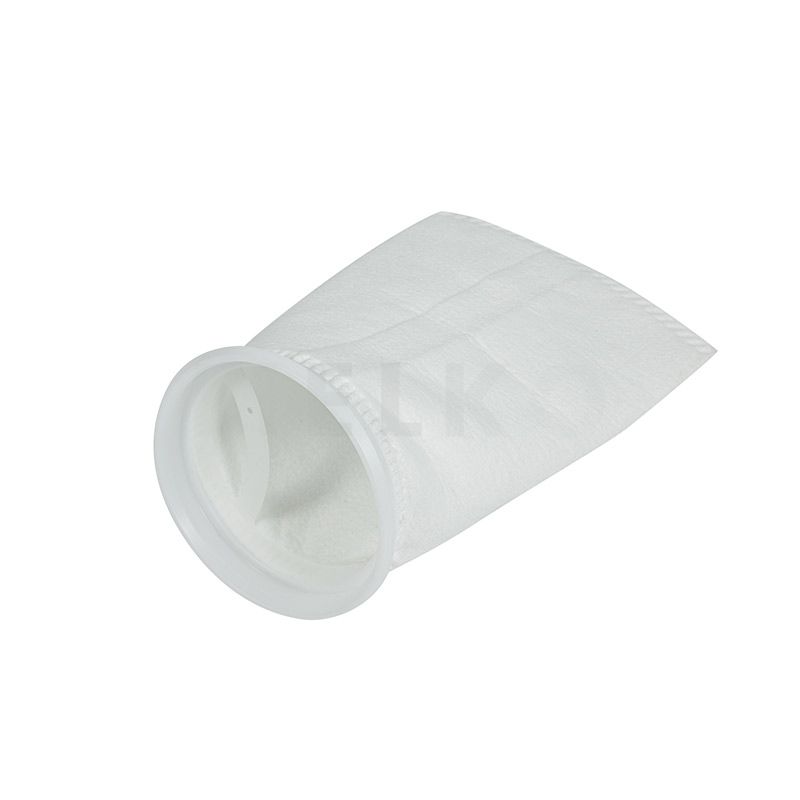
Finding the correct bag filter media ensures process stability. Material capabilities vary widely across different demanding industrial applications. Proper material selection prevents sudden system blowouts.
Industry-standard materials serve distinct physical purposes. Polypropylene offers excellent standard chemical resistance for broad liquid applications. It handles most acids and alkalis flawlessly. Polyester provides strong physical durability for general-purpose filtration where hydrolysis risks remain low. PTFE, commonly known as Teflon, withstands extreme thermal and chemical environments seamlessly. You must compare these inherent capabilities against your collected operating data.
Material Capability Comparison Chart
| Material Type | Max Operating Temperature | Chemical Resistance | Primary Application |
|---|---|---|---|
| Polypropylene | 200°F (93°C) | Excellent (Acids/Alkalis) | Standard liquid chemical processing |
| Polyester | 275°F (135°C) | Good (Avoid high moisture Alkalis) | General purpose industrial manufacturing |
| Aramid (Nomex) | 400°F (204°C) | Fair (Avoid strong acids) | High-temperature asphalt and foundry |
| PTFE (Teflon) | 500°F (260°C) | Outstanding (Universal) | Extreme chemical and heat recovery |
Media structure dictates particle retention mechanics fundamentally. Woven meshes provide excellent surface filtration characteristics. They feature precise geometric pore structures. These meshes capture larger particles directly on the exterior surface. You can often wash and reuse woven meshes multiple times. Conversely, non-woven felted materials deliver superior depth filtration. Fluid navigates a complex, dense matrix of tangled fibers. This tortuous path traps varying particle sizes throughout the entire cross-section. Felted structures hold significantly more dirt before clogging completely.
Raw materials often require secondary processing to function properly. Surface treatments enhance performance for specialized industrial filtration bags. Singeing removes loose, stray fibers from the exterior felt surface using an open flame. It prevents dangerous fiber migration into your clean product stream. Glazing melts the outer fibers slightly under high pressure. This creates a smooth, polished surface for optimal filter cake release. PTFE membranes add a microscopic layer of high-efficiency filtration to the substrate. This specialized membrane stops sub-micron particles at the surface entirely.
Filtration precision relies entirely on accurate micron ratings. You must understand how individual particle sizes interact with specific media pores. Misunderstanding micron ratings causes immediate process failures.
Engineers frequently confuse nominal and absolute ratings during procurement. Clarifying this technical distinction prevents costly purchasing errors. Nominal ratings indicate an average retention capability. A nominal 10-micron filter captures most particles around 10 microns. It still allows some larger and smaller particles through the matrix. Standard pre-filtration applications utilize nominal ratings efficiently. Absolute ratings guarantee a verified retention percentage. An absolute 10-micron filter typically stops 99.9% of particles at or above 10 microns based on standardized Beta ratio testing. Critical applications demand absolute ratings to ensure strict purity.
You must evaluate your specific particulate profile before buying. Analyzing the Particle Size Distribution (PSD) guides your selection logic perfectly. Over-specifying represents a common, expensive industry error. Choosing a 1-micron filter for a 50-micron application causes rapid media blinding. It wastes budget money and halts production unnecessarily. Under-specifying allows dangerous, abrasive contaminants to bypass the system. You achieve optimal operational efficiency by matching the micron size exactly to the PSD peak.
Particulate accumulation increases differential pressure across the housing gradually. We call this critical measurement Delta P. As pores clog, fluid faces higher physical resistance. This resistance forces pumps and blowers to work significantly harder. It consumes excess electrical energy quickly. Monitoring Delta P dictates your replacement cycles accurately. Allowing pressure to spike aggressively damages the structural integrity of the equipment. High resistance can even rupture the media entirely, dumping captured dirt downstream.
Procurement teams often fixate heavily on initial unit prices. True evaluation requires calculating long-term lifecycle impacts instead. Substandard equipment quietly drains operational budgets over time through hidden inefficiencies.
Selecting the cheapest unit rarely saves your company money. We challenge this common procurement bias constantly. High-quality media resists premature blinding and structural degradation. It extends the functional lifespan of the element dramatically. You reduce replacement frequency significantly by utilizing premium polymeric materials. Fewer replacements mean lower direct labor costs and reduced disposal fees. The extended lifecycle value always exceeds the minimal initial savings of a cheaply constructed filter.
Inefficient filters restrict process flow severely. This restriction causes rapid increases in differential pressure. Pumps and blowers must overcome this resistance to maintain desired throughput. They consume exponentially more electrical energy doing so. Rising energy costs destroy operational budgets quickly. Investing in highly permeable, efficient media keeps pressure drops remarkably low. It minimizes mechanical electrical load and saves significant money annually.
Production halts cost industrial facilities thousands of dollars hourly. Frequent filter change-outs demand valuable, highly skilled maintenance hours. Workers must execute strict lockout/tagout protocols, drain housings, and dispose of hazardous waste. You must quantify the cost of these production halts accurately. Sub-optimal materials require constant monitoring and reactive replacements. Premium filtration solutions provide predictable, extended service intervals. You reclaim lost production time and free up maintenance personnel for proactive tasks.
Excellent media fails immediately if implemented poorly. Physical installation directly impacts operational success and environmental regulatory standing. You must train operators to handle equipment precisely.
Fluid and gas always seek the path of least resistance. Poor installation guarantees fluid bypass around the filter element. You must verify housing integrity regularly during operation. Poor O-ring seating allows raw contaminants to leak downstream. You must specify appropriate gasket materials like Viton, EPDM, or Buna-N based on chemical compatibility. Incompatible collar rings cause similar bypass issues. You must choose between snap band or steel ring designs carefully. Damaged internal support cages tear media during operation. Inspect these internal physical components during every single change-out cycle.
Industrial emissions face strict, ongoing environmental scrutiny globally. Filtration performance ties directly to regulatory standards like OSHA workspace requirements. The EPA enforces strict PM2.5 and PM10 particulate limits for stack emissions. Verifiable filtration efficiency mitigates the severe risk of massive fines. You must document performance data reliably. High-efficiency membranes ensure emissions remain well below legal thresholds at all times.
Reactive maintenance creates unnecessary production risks. We outline predictive maintenance strategies to improve overall reliability. Utilizing electronic differential pressure sensors transforms your approach entirely. These sensors track fluid resistance trends in real-time. You transition from reactive emergencies to condition-based replacements seamlessly.
Implement these proactive monitoring steps:
This systematic approach ensures maximum equipment utilization and prevents catastrophic structural blowouts.
Specifying industrial filtration equipment is a highly individualized engineering process. It depends heavily on environmental variables and long-term operational objectives. You must balance chemical compatibility, thermal limits, and precise micron ratings carefully. A single miscalculation compromises process integrity immediately.
We highly recommend conducting a localized pilot test. Perform a comprehensive media analysis before committing to large-scale facility procurement. Small-scale testing validates your technical assumptions and prevents expensive full-scale failures.
Take proactive steps today to optimize your fluid systems. Consult an experienced filtration application engineer immediately. Have them review your specific process data to receive a tailored, high-performance recommendation. Utilizing the proper bag filter transforms your operational efficiency permanently.
A: Analyze your Particle Size Distribution (PSD) first. Determine the exact size of solid contaminants you need to capture. Assess whether your process requires nominal or absolute retention. Critical applications need absolute ratings for guaranteed capture. Standard fluid processing usually relies on nominal ratings. Match the micron rating precisely to your specific PSD peak to prevent rapid media blinding.
A: Specify custom options when dealing with non-standard OEM housings. Unique flow rates often require modified media surface areas to manage pressure. Proprietary flange requirements also necessitate custom manufacturing. Standard sizes might leak or bypass entirely in specialized vessels. Custom engineering ensures perfect sealing and optimal fluid dynamics for specialized industrial applications.
A: Terminal differential pressure drives replacement schedules, not elapsed time. You must monitor the pressure drop across the housing continuously. Once resistance reaches the manufacturer's specified limit, replace the element immediately. This condition-based strategy ensures maximum media utilization. It prevents structural rupture without compromising your critical system flow rates.
A: No, price only aligns with performance if correctly specified. The material and surface treatment must perfectly match your specific application. Expensive PTFE media fails quickly if deployed in the wrong physical environment. You must evaluate chemical aggressiveness, thermal limits, and particulate types first. Proper engineering dictates field performance far more than the initial purchase price tag.

