
English 
T: +86-17717097520
E: sales1@melko2015.com
E: sales1@melko2015.com
No.222 Xiangche Rd. Chedun Town Songjiang Dist. Shanghai China 201611


Views: 152 Author: Site Editor Publish Time: 2026-07-27 Origin: Site


High-volume liquid processing requires balancing rapid flow rates with precise micron retention. Bottlenecking at the filtration stage directly impacts operational profitability and facility throughput. Selecting the wrong filtration media or housing leads to frequent change-outs, unacceptable pressure drops, premature equipment wear, and compliance failures in strictly regulated environments. We must clearly distinguish liquid-process systems from gas or air fabric dust collectors. Air baghouses serve a completely different engineering intent and operate under different fluid dynamics. You need a structured approach to evaluating, specifying, and implementing the correct industrial bag filter system. This depends on fluid dynamics, particulate load, and industry-specific regulatory requirements. Proper specification ensures continuous operation and protects downstream equipment from catastrophic failure.
Define Micron and Material Needs First: Fluid chemical compatibility and operating temperatures must dictate the choice of filter media before evaluating housing configurations.
Match Media to Mechanics: NMO filter bags provide precise surface filtration for zero-fiber-migration needs, while felt bags deliver depth filtration for high-particulate loads.
First-Stage Defense is Crucial: Positioning a bag filter as a primary or first-stage filtration barrier protects costly downstream systems, such as membranes and polishing cartridges.
Compliance is Non-Negotiable: Material selection in food processing and municipal water treatment is strictly governed by FDA, NSF, and local discharge regulations, requiring certified filtration solutions.
Successful liquid filtration requires a careful balance of operational parameters. You must analyze the trade-offs between maximum flow rate capacity and retention efficiency. Pushing too much fluid through a tight micron rating causes rapid blinding. This forces the system to shut down for maintenance and disrupts production schedules. Establishing acceptable differential pressure thresholds is mandatory for system health. You monitor this Delta P to trigger maintenance routines before equipment damage occurs. Ignoring these thresholds risks the structural failure of the bag. The media can rupture and release captured contaminants downstream, ruining entire product batches. You must also map chemical compatibility accurately. Operating temperature limits dictate which standard filter materials will survive the process environment. Aggressive chemicals quickly degrade incompatible polymers, leading to media disintegration and process contamination. Field operators must understand the specific gravity and viscosity of the fluid being processed. Heavy, viscous fluids require significantly more surface area to maintain target flow rates. You cannot simply swap a 10-micron bag for a 1-micron bag without adjusting the flow parameters or expecting a massive spike in differential pressure.
Operational Parameter | Impact on Filtration Performance | Field Adjustment Strategy |
|---|---|---|
Fluid Viscosity | Higher viscosity increases differential pressure and reduces effective flow rate. | Upsize the housing or heat the fluid to lower viscosity before filtration. |
Particulate Load | Heavy loads cause rapid blinding and frequent change-outs. | Implement multi-stage step-down filtration (e.g., 100µm to 25µm to 5µm). |
Operating Temperature | Exceeding material limits causes media degradation and bypass. | Switch from Polypropylene to Polyester or Nylon for high-temp applications. |
Flow Velocity | Excessive velocity forces deformable particles through the media. | Install flow restrictors or variable frequency drives (VFDs) on feed pumps. |
You should define the tactical role of a Bag Filter carefully within your process flow. It serves as a highly effective pre-filtration stage. It handles bulk particulate removal with exceptional capacity. You capture the largest solids before they reach sensitive equipment. Effective first-stage filtration extends the lifespan of expensive downstream components. Sub-micron polishing cartridges last significantly longer when protected by a robust pre-filter. Reverse osmosis membranes avoid premature fouling and scaling. You reduce overall maintenance downtime by capturing bulk dirt early in the process. The primary barrier takes the heavy load. This allows final-stage filters to focus purely on achieving absolute fluid clarity. In industrial water treatment, operators often install size 2 housings in parallel to handle the initial surge of suspended solids. This parallel configuration allows for continuous operation. When one housing requires a bag change, the flow is diverted to the secondary housing. This redundancy prevents costly line shutdowns. You must size the first-stage filters to handle at least 150% of the anticipated maximum flow rate to account for sudden spikes in particulate loading.
Surface filtration relies on a precise woven structure to capture contaminants. NMO Filter Bags provide exact and consistent pore sizes across the entire media surface. The woven threads create a rigid mesh that does not flex under pressure. Contaminants larger than the pore size stay on the surface. They do not embed deep into the material. This makes them ideal for specific industrial applications where absolute retention is required. Primary use cases include paints, coatings, and resins. These fluids require strict zero fiber migration. You cannot risk loose filter fibers contaminating the final product and causing surface defects. The monofilament design ensures structural integrity even under high differential pressure. You get predictable retention without shedding. Operators in automotive paint lines rely heavily on nylon mesh to ensure a flawless finish. The smooth surface of the monofilament threads also allows for easier cleaning in applications where the bags are washed and reused, although reuse is generally discouraged in critical quality applications. Nylon offers excellent resistance to a wide range of solvents and alkalis, making it highly versatile in chemical processing environments.
Felt materials operate using depth filtration mechanics rather than surface retention. They feature a complex matrix of interlocking fibers created through needle-punching. This structure captures particles throughout the entire depth of the media, not just on the surface. You gain a massive advantage in dirt-holding capacity. Felt handles highly variable particulate loads effectively without blinding immediately. Material resilience differs significantly between the two primary polymers used in felt manufacturing. Polypropylene offers broad chemical resistance across the pH scale. It handles strong acids and bases well but has lower temperature limits, typically maxing out around 200°F (93°C). Polyester provides higher continuous temperature tolerance, operating safely up to 300°F (149°C). However, polyester degrades rapidly in strong alkaline environments. You must match the polymer to your specific fluid chemistry and operating temperature. In wastewater applications, polypropylene felt is the standard choice due to its low cost and broad compatibility. For hot oil or high-temperature process water, polyester is mandatory to prevent the bag from melting or losing structural integrity under pressure.
Material Type | Filtration Mechanism | Max Temperature | Chemical Compatibility |
|---|---|---|---|
Polypropylene Felt | Depth | 200°F (93°C) | Excellent for acids/alkalis. Poor for aromatics. |
Polyester Felt | Depth | 300°F (149°C) | Good for solvents/oils. Poor for strong alkalis. |
Nylon Monofilament | Surface | 300°F (149°C) | Excellent for solvents/alkalis. Poor for strong acids. |
Standard materials do not solve every complex filtration challenge encountered in the field. You sometimes need specialized configurations to handle unique fluid streams. Oil-absorbing bags remove trace hydrocarbons from aqueous solutions. They utilize melt-blown polypropylene layers to attract and hold oils while allowing water to pass through. This proves vital in wastewater discharge applications where strict environmental limits dictate hydrocarbon levels. Multi-layered and pleated bag designs offer another significant upgrade path for high-volume facilities. They significantly increase the available surface area within a standard housing footprint. You extend the operational life of the filter by spreading the dirt load over a larger area. This reduces the frequency of change-outs and lowers maintenance labor costs. Facilities running continuous operations benefit greatly from these extended-life designs. Some specialty bags incorporate magnetic inserts to capture ferrous metal shavings in machining coolant applications. Others use activated carbon layers to remove chlorine, organics, and foul odors from process water. Selecting these specialty configurations requires a thorough understanding of the specific contaminants present in your fluid stream.
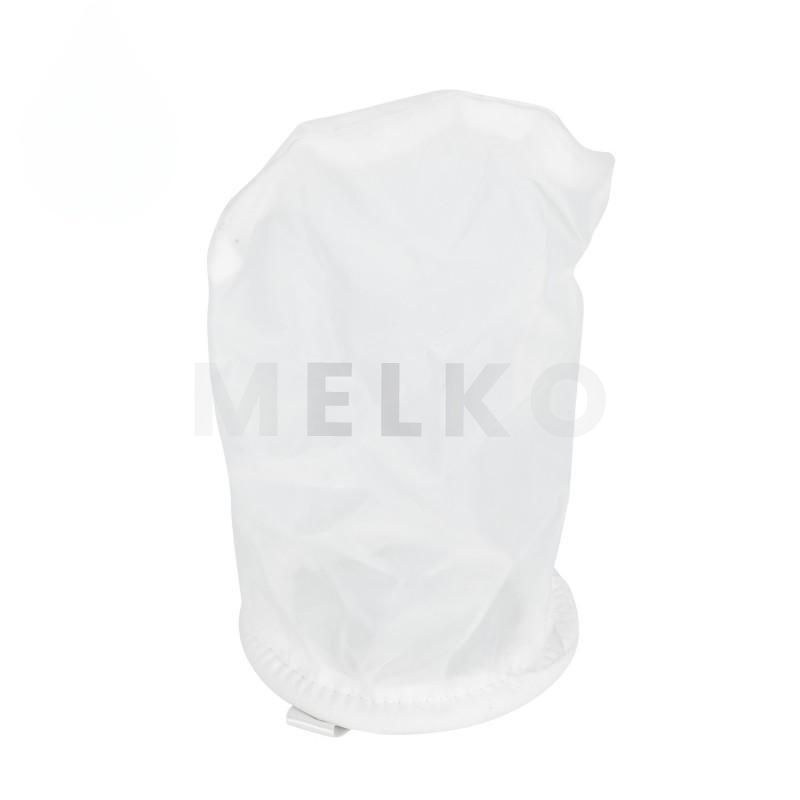
Groundwater remediation projects demand robust and reliable filtration systems. You must manage sand, silt, and heavy particulate loads extracted from the earth. Subsurface pumping sites generate highly abrasive fluids that destroy unprotected equipment. Bag filters capture this grit before it damages transfer pumps, flow meters, and injection valves. Cooling tower loops also rely heavily on continuous filtration. You remove airborne debris, pollen, and scaling particulates continuously from the cooling water. This protects delicate heat exchangers from fouling and plugging. It maintains optimal thermal efficiency across the facility and reduces energy consumption. Industrial process water recovery presents another major application for these systems. You clean internal process streams for recycling back into the manufacturing line. You also pre-treat effluent discharge to meet strict municipal regulatory standards. Failing to filter wastewater properly results in massive fines and potential facility shutdowns. Operators typically use multi-bag housings in these applications to handle flow rates exceeding 1000 gallons per minute. The housings are constructed from 316 stainless steel to resist corrosion from the varied chemical makeup of industrial wastewater.
Food production environments operate under strict regulatory scrutiny from health agencies. You must use FDA-compliant materials for all wetted components. Sanitary housings are mandatory to prevent bacterial growth in dead legs and crevices. Verifiable traceability for all filtration components is required for quality control audits. Applications include the clarification of syrups, edible oils, and alcoholic beverages. You focus on particulate removal without altering taste profiles or stripping out essential flavor compounds. Active ingredients must pass through the media unaffected while unwanted solids are retained. You must also mitigate biological contamination risks during maintenance. Routine filter change-outs require strict sanitary protocols. Operators must handle the media without introducing external pathogens into the process stream. Housings in this sector feature polished internal surfaces to eliminate microscopic pits where bacteria can hide. Tri-clamp connections replace standard threaded fittings to ensure a sanitary seal that is easy to clean. The filter bags themselves are often manufactured in cleanroom environments and individually sealed to guarantee purity upon installation.
Heavy manufacturing relies on clean fluids to protect expensive machinery and ensure product quality. You filter coolants, cutting fluids, and parts-washing systems continuously. Removing metal swarf and grinding dust extends machinery lifespan. It minimizes component wear on expensive CNC equipment and prevents coolant degradation. Chemical processing introduces entirely different challenges. You handle aggressive solvents, highly corrosive acids, and volatile fluids. High-viscosity liquids like resins and adhesives require specialized media and reinforced housings capable of withstanding extreme pressures. Filtration efficiency connects directly to final product quality in these environments. Clean fluids reduce defects in manufacturing lines, such as pinholes in coatings or weak spots in extruded plastics. You achieve higher yields and lower scrap rates when your process fluids remain pure. Safety is paramount when filtering hazardous chemicals. Housings must be equipped with proper venting and draining mechanisms to protect operators during bag changes. Double-block and bleed valve configurations are standard practice to isolate the filter housing completely from the pressurized process line before opening the lid.
Proper sizing prevents premature system failure and excessive maintenance downtime. You calculate required surface area based on fluid viscosity, specific gravity, and the target micron rating. Target flow rates dictate the physical dimensions of the housing and the number of bags required. Industry standards utilize specific size designations for filter bags. Size 1 (7" x 16") and Size 2 (7" x 32") are the most common configurations found in industrial plants. Size 3 (4" x 8") and Size 4 (4" x 14") serve smaller, specialized roles in pilot plants or low-flow applications. Each size offers different throughput capacities and dirt-holding volumes. You must match the physical size to your expected particulate load and flow velocity. Undersizing leads to constant maintenance and rapid pressure spikes. Oversizing wastes valuable floor space and capital budget. When sizing a system for viscous fluids like motor oil or syrup, you must derate the manufacturer's maximum flow capacity significantly. A housing rated for 100 GPM on water might only handle 20 GPM on a high-viscosity resin without exceeding the maximum allowable differential pressure.
Determine the maximum anticipated flow rate of the process line.
Identify the fluid viscosity at the normal operating temperature.
Select the target micron rating based on the smallest particle that must be removed.
Calculate the required surface area using the manufacturer's flow rate charts.
Select a housing size that provides at least 20% more surface area than the calculated minimum to allow for particulate surges.
Choosing between bags and cartridges requires evaluating your specific process needs and maintenance capabilities. Bags excel at bulk particulate removal and high-flow applications. They offer massive dirt-holding capacity for coarse contaminants and deformable particles. Cartridges perform better for sub-micron polishing and absolute retention. They provide the final clarity required for critical applications like bottled water or pharmaceutical prep. You must evaluate labor costs and ergonomic factors when making this choice. Bag changes are generally faster and easier for operators to perform. Cartridge replacements often take more time, especially in multi-round housings holding dozens of elements. Maintenance downtime directly impacts production schedules and overall plant efficiency. The table below summarizes the key trade-offs between these two common technologies to help guide your specification process.
Feature | Bag Filtration | Cartridge Filtration |
|---|---|---|
Primary Application | Bulk particulate removal, pre-filtration | Sub-micron polishing, final filtration |
Dirt-Holding Capacity | Very High (handles variable loads well) | Moderate to Low (blinds quickly on heavy loads) |
Maintenance Speed | Fast (single bag replacement) | Slower (multiple cartridges per housing) |
Micron Range | 1 to 1000+ microns | 0.1 to 100 microns |
Initial Capital Cost | Generally lower for equivalent flow rates | Higher due to complex housing internals |
Operational features dictate how easily your maintenance team services the system. Quick-opening covers minimize downtime during routine bag changes. Toolless entry mechanisms, like V-band clamps or hand-wheel davits, are vastly superior to traditional swing-bolt designs. Operators appreciate the reduced physical strain and the elimination of specialized tools. You must also evaluate the installation footprint within your facility. Piping orientation matters for seamless integration into existing process lines. Side-inlet, bottom-outlet, and top-inlet designs offer different advantages. Top-inlet designs prevent fluid from spilling over the unfiltered side of the bag during changes, ensuring a cleaner maintenance process. You select the orientation that best fits your facility layout and provides the safest maintenance access. Ensure there is adequate overhead clearance to remove the filter basket and bag completely. Install isolation valves and pressure gauges on both the inlet and outlet piping to allow for safe depressurization and accurate Delta P monitoring.
Unfiltered liquid bypassing the filter media ruins process integrity and damages downstream equipment. This happens due to improper seating of the bag within the restrainer basket. Bypass also occurs under high differential pressure or sudden pressure surges that lift the bag off its seat. You must mitigate this risk through careful specification and operator training. Specify welded seams over sewn seams whenever possible. Sewn needle holes allow fine particles to escape, defeating the purpose of a tight micron rating. Mandate positive-seal rings on all replacement bags. V-ring or snap ring designs match perfectly to the housing basket collar. They create a secure seal that tightens as fluid pressure increases. This guarantees all fluid passes through the media and prevents bypass. Operators must inspect the housing sealing surfaces for scratches or debris before installing a new bag. A single piece of grit on the O-ring seat causes a massive bypass leak.
Rapid pressure build-up restricts flow, damages equipment, and causes catastrophic bag rupture. This usually stems from an incorrectly specified micron rating that is too tight for the particulate load. Unexpected particulate spikes in the fluid stream also cause immediate blinding. You mitigate this by implementing multi-stage filtration. Step down from coarse to fine media across multiple housings in series. This distributes the dirt load evenly and prevents the final filter from blinding instantly. You must also install continuous differential pressure monitoring gauges on every housing. These instruments provide real-time data on filter health. Operators can schedule maintenance before a catastrophic pressure spike occurs. Automated systems use pressure transmitters to trigger alarms or automatically switch flow to a standby housing when the Delta P reaches a critical threshold.
Conduct a comprehensive fluid analysis to determine exact viscosity, chemical makeup, and particulate load before specifying equipment. Initiate a pilot test with a specific filter media configuration to validate performance before committing to a facility-wide rollout. Establish strict differential pressure thresholds and train your maintenance team to monitor them daily. Standardize your procurement around welded-seam bags with positive-seal rings to eliminate bypass risks. Schedule routine inspections of the housing baskets to ensure they remain structurally sound and free of deformation.
A: Bag filters capture bulk particulates and offer high dirt-holding capacity, making them ideal for pre-filtration. Cartridge filters provide finer, absolute retention for sub-micron polishing but blind faster under heavy dirt loads.
A: You determine the rating by analyzing the size of the smallest particle you need to remove. Testing fluid samples and running a pilot trial helps identify the optimal balance between retention and flow rate.
A: NMO bags use a woven monofilament mesh that provides exact pore sizes and zero fiber migration. They are perfect for paints and coatings, whereas felt bags offer depth filtration for higher dirt capacities.
A: The term generally refers to liquid filtration systems using pressurized housings. Air and gas applications use fabric dust collectors, commonly known as baghouses, which operate on entirely different engineering principles.
A: Replacement frequency depends entirely on the particulate load and fluid viscosity. You should replace the bag when the differential pressure across the housing reaches the manufacturer's recommended maximum limit.
A: Higher viscosity fluids move slower and create more resistance. You must specify larger housings and increase the total filter surface area to maintain target flow rates without causing immediate pressure spikes.


